

Premium Healthcare Department

Urology

“Comprehensive Urological Services You Can Trust.”
At White Lotus International Hospital, we are dedicated to providing exceptional care for a wide range of urological conditions, including urinary tract infections, kidney stones, prostate cancer, and…

Department Overview

At White Lotus International Hospital, we are dedicated to providing exceptional care for a wide range of urological conditions, including urinary tract infections, kidney stones, prostate cancer, and male infertility. Our expert team of urologists and compassionate medical staff deliver personalized treatments tailored to each patient's unique needs. Led by experienced specialists, our department combines advanced medical techniques with the latest technology to ensure effective, compassionate care for both adults and children. Our services include comprehensive diagnostics, minimally invasive surgeries, cancer treatment, and fertility support, all designed to promote your health and well-being.

What to Expect

Comprehensive urological care with advanced surgical options and personalized treatment plans.

Patient Guidelines

Follow post-operative care instructions. Maintain good hygiene and fluid intake as advised.

Preparation Instructions

Specific preparation instructions provided based on procedure type.

Our Services

Kidney Stone Management

  • Ureterorenoscopic Lithotripsy (URSL)
Read more

Ureterorenoscopic Lithotripsy (URSL) is a modern, minimally invasive procedure designed to treat ureteric stones — stones located in the tube (ureter) that connects the kidney to the bladder. This procedure is highly effective for patients experiencing pain, infection, or obstruction due to ureteral stones.

During URSL, a thin, flexible or rigid ureteroscope is gently inserted through the urethra and bladder into the ureter to directly visualize the stone. Once located, the stone is fragmented using advanced energy sources such as a laser or pneumatic lithotripter. The fragments are then either removed with special instruments or allowed to pass naturally.
Our skilled Urologists perform URSL using state-of-the-art endoscopic technology, offering patients a safe and precise solution with no external incisions, minimal discomfort, and rapid recovery. URSL is often a day-care procedure, allowing most patients to return home the same day.
Our tertiary care setup ensures that patients receive expert care at every step — from accurate diagnosis to post-operative support.


  • Percutaneous Nephrolithotomy (PCNL)

PCNL is a minimally invasive surgical procedure used to remove large or hard-to-reach kidney stones, especially those that cannot pass naturally or respond to other treatments like medication or shock wave therapy.

When is PCNL Recommended?
This procedure is typically advised for:
• Kidney stones larger than 2 cm
• Multiple stones within the kidney
• Stones causing infection or blockage
• Stones resistant to other forms of treatment
Key Advantages of PCNL
• Small incision with minimal tissue damage
• Effective for complex or large kidney stones
• Less post-operative pain compared to open surgery
• Faster recovery and shorter hospital stay
We use the latest technology and expert surgical techniques to ensure safe, precise, and effective stone removal through PCNL.


  • Retrograde Intrarenal Surgery (RIRS)

Retrograde Intrarenal Surgery (RIRS) is a highly advanced, minimally invasive procedure used to remove kidney stones located within the kidney without making any external incisions. This technique is particularly effective for stones that are small to medium in size or located in areas that are difficult to access through conventional methods.

In RIRS, a flexible ureteroscope is passed through the natural urinary tract — via the urethra, bladder, and ureter — to reach the kidney. Once the stone is visualized, it is broken into fine fragments using a laser, and the debris is either extracted or allowed to pass naturally through urine.
The procedure is safe, scar-free, and associated with minimal pain, shorter hospital stay, and faster recovery, making it a preferred option for suitable kidney stone case

Benign Enlargement of Prostate

  • Benign enlargement of prostate
Read more

Benign Prostatic Hyperplasia (BPH) is a non-cancerous enlargement of the prostate gland, commonly seen in men over the age of 50. As the prostate grows, it can press against the urethra and block the normal flow of urine, leading to urinary symptoms that can significantly affect quality of life.


When to seek doctor
1. Frequent urination, especially at night (nocturia)
2. Difficulty starting urination (hesitancy)
3. Weak urine stream or dribbling
4. Incomplete emptying of the bladder
5. Sudden, strong urges to urinate
Diagnosis
At WLIH we use advanced tools to diagnose BPH accurately. Diagnostic tests may include:
• Physical examination and digital rectal exam (DRE)
• Urine flow studies (Uroflowmetry)
• Post-void residual volume measurement
• PSA (Prostate-Specific Antigen) blood test
• Prostate ultrasound or imaging, if needed
• Cystoscopy in selected cases
Treatment Options
The choice of treatment depends on the severity of symptoms, prostate size, and patient preference. Options include:
1. Lifestyle Modifications
• Reducing fluid intake before bedtime
• Avoiding caffeine and alcohol
• Scheduled voiding
2. Medications
• Alpha-blockers to relax the prostate and bladder neck muscles
• 5-alpha-reductase inhibitors to shrink the prostate
• Combination therapy for moderate to severe cases
3. Minimally Invasive Procedures
• TURP (Transurethral Resection of the Prostate) – gold standard surgical treatment
• Laser therapy (HoLEP, THUFLEP) – advanced, tissue-preserving options


  • TURP (Transurethral Resection of the Prostate)

Transurethral Resection of the Prostate (TURP) is a well-established and commonly performed surgical procedure used to treat Benign Prostatic Hyperplasia (BPH)—a non-cancerous enlargement of the prostate gland that can obstruct the flow of urine.

When is TURP Recommended?
TURP is recommended for men who experience moderate to severe urinary symptoms due to BPH, especially when medications are no longer effective.
 
How the Procedure Works (IMAGE)
During TURP, no external incision is made. A resectoscope (a thin tube with a camera and surgical loop) is inserted through the urethra. Using this tool, the surgeon removes the overgrown prostate tissue that is blocking urine flow. The procedure is typically performed under spinal or general anesthesia.
Advantages of TURP
• Minimally invasive (no cuts on the body)
• Highly effective for relieving BPH symptoms
• Shorter hospital stay and quicker recovery
• Proven long-term success
Postoperative Care
After TURP, a catheter is usually placed temporarily to help drain the bladder.
Mild burning, frequent urination, or slight blood in urine may occur for a few days and generally resolve with time. Most patients resume normal activities within 1 to 2 weeks.


  • Laser Enucleation of the Prostate

Laser Enucleation of the Prostate, most commonly performed using laser is a highly advanced and minimally invasive surgical procedure used to treat Benign Prostatic Hyperplasia (BPH)—the non-cancerous enlargement of the prostate gland.

What is LEP?
LEP involves using a high-powered laser to precisely remove the entire obstructive portion of the prostate that causes urinary symptoms. Unlike traditional TURP, LEP completely enucleates the enlarged tissue, which is then pushed into the bladder and removed using a morcellator.
When it is Recommended?
• Patients with significantly enlarged prostates
• Men who have not responded to medication
• Individuals seeking a long-term solution with a low risk of reoperation
• Those with urinary retention or recurrent urinary tract infections due to BPH
Benefits of Laser Enucleation
• Minimally invasive with no external incision
• Complete removal of obstructive tissue
• Lower bleeding risk – suitable even for patients on blood thinners
• Shorter catheter time and hospital stay
• Durable results with a very low chance of recurrence
• Preservation of sexual function in most cases
The Procedure
Performed under spinal or general anesthesia, it uses a thin laser device inserted through the urethra. The laser cleanly separates the enlarged tissue from the prostate capsule. This tissue is then removed, relieving the obstruction and improving urinary flow.

Bladder Problems

  • Understanding Bladder Health
Read more
Urethral stricture is a condition where the urethra — the tube that carries urine out of the body — becomes narrowed due to scar tissue or inflammation. This narrowing blocks or slows the flow of urine and can lead to discomfort, infections, and other complications if left untreated.
Common Symptoms
• Weak or slow urine stream
• Straining to urinate
• Incomplete bladder emptying
• Frequent urination or urgency
• Painful urination
• Urinary tract infections (UTIs)
• Blood in the urine or semen
Causes of Urethral Stricture
• Injury to the urethra or pelvis
• Previous surgeries involving the urethra or prostate
• Repeated catheterization
• Sexually transmitted infections (STIs)
• Inflammatory conditions
Diagnosis
To confirm a urethral stricture, doctors may perform:
• Urine flow tests (uroflowmetry)
• Ultrasound or imaging scans
• Cystoscopy – a thin scope is used to view the urethra
• Retrograde urethrogram (RUG) – an X-ray with contrast dye
Treatment Options
Treatment depends on the location, length, and severity of the stricture:
• Urethral dilation – stretching the narrow segment
• Internal urethrotomy – cutting the stricture via endoscopy
• Urethroplasty – surgical reconstruction for long or recurring strictures
• Catheterization – temporary relief in certain cases

Andrology Services – Male Infertility & Sexual Health

Expert Care for Men’s Reproductive and Sexual Health

Read more
Kidney cancer, also known as renal cancer, develops when abnormal cells in the kidney begin to grow uncontrollably. The most common type is renal cell carcinoma, which typically affects adults. Early detection is crucial, as kidney cancer often presents with minimal or no symptoms in its early stages.
Common Symptoms
• Blood in urine (hematuria)
• Persistent lower back pain on one side
• Unexplained weight loss
• Fatigue
• A lump or mass in the abdomen
Risk Factors
Several factors may increase the risk of kidney cancer, including:
• Smoking
• High blood pressure
• Obesity
• Family history of kidney cancer
• Prolonged exposure to certain chemicals
Diagnosis & Screening
Diagnosis usually involves imaging tests such as CT scans, MRI, or ultrasound, along with urine tests and biopsies when needed. Early diagnosis greatly improves treatment outcomes.
Treatment Options
Treatment depends on the cancer stage, overall health, and personal preferences. Options may include:
• Surgery (Partial or radical nephrectomy)
• Targeted therapy
• Immunotherapy
• Radiation therapy (in selected cases)
  • Bladder Cancer

What is Bladder Cancer?

Bladder cancer occurs when abnormal cells develop in the tissues of the bladder — the organ that stores urine. It is most commonly diagnosed in older adults, and transitional cell carcinoma is the most prevalent type.
Early Signs and Symptoms
• Blood in the urine (hematuria) – often painless
• Frequent or urgent need to urinate
• Pain or burning during urination
• Pelvic or lower back pain
Risk Factors
• Smoking (major contributor)
• Chronic bladder inflammation
• Exposure to industrial chemicals
• Family or personal history of bladder cancer
• Certain medications or radiation exposure
How Bladder Cancer is Diagnosed
Diagnosis involves tests such as:
• Urine cytology
• Cystoscopy (examining the inside of the bladder with a camera)
• Biopsy
• Imaging tests (CT scan, MRI, or ultrasound)
Treatment Options
Treatment depends on the stage and grade of the cancer and may include:
• Transurethral Resection of Bladder Tumor (TURBT)
• Intravesical therapy (BCG or chemotherapy)
• Radical or partial cystectomy (surgical removal of the bladder)
• Immunotherapy or systemic chemotherapy for advanced cases
  • Prostate Cancer

Overview

Prostate cancer occurs in the prostate gland — a small organ in men located below the bladder, responsible for producing seminal fluid. It is one of the most frequently diagnosed cancers in men, especially those over 60. Many cases grow slowly and may not cause serious harm, but others can be aggressive and require timely treatment.
Warning Signs
In early stages, prostate cancer may not show symptoms. When present, they may include:
• Difficulty starting or stopping urination
• Weak or interrupted urine flow
• Frequent urge to urinate, especially at night
• Pain during urination or ejaculation
• Blood in urine or semen
• Discomfort in the lower back, pelvis, or thighs
Who is at Risk?
• Men aged 60 and above
• Family history of prostate cancer
• High-fat diet and obesity
• Sedentary lifestyle
How It’s Diagnosed
Early detection improves outcomes. Common diagnostic methods include:
• PSA (Prostate-Specific Antigen) blood test
• Digital Rectal Exam (DRE)
• MRI scans
• Prostate biopsy to confirm diagnosis
Treatment Options
Treatment depends on the cancer’s stage and how fast it is growing. Options may include:
• Active surveillance for low-risk cases
• Surgical removal of the prostate (prostatectomy)
• Radiation therapy
• Hormonal (androgen deprivation) therapy
• Chemotherapy in advanced stages

Urethral Stricture Management

What is Urethral Stricture?

Read more
The bladder is a vital organ that stores and releases urine. When it doesn't function properly, it can lead to discomfort, inconvenience, and serious health issues. Bladder problems affect people of all ages and can significantly impact quality of life.
Common Bladder Conditions
• Urinary Tract Infections (UTIs): Caused by bacteria, leading to pain, urgency, and frequent urination.
• Overactive Bladder (OAB): A condition marked by sudden, strong urges to urinate and frequent trips to the bathroom.
• Urinary Incontinence: Involuntary leakage of urine, common in older adults and women post-childbirth.
• Bladder Stones: Hard mineral deposits that form in the bladder, causing pain or difficulty urinating.
• Interstitial Cystitis (Painful Bladder Syndrome): A chronic condition causing bladder pressure, pain, and urinary frequency.
• Bladder Cancer: A serious condition often presenting with blood in the urine or pelvic discomfort.
Symptoms to Watch For
• Frequent urination, especially at night
• Burning sensation during urination
• Urgency or inability to control urine flow
• Blood in the urine
• Pelvic or lower abdominal pain
When to See a Doctor
Any persistent change in urination patterns, pain, or discomfort should be evaluated by a healthcare provider. Early diagnosis helps prevent complications and improves treatment success.
Diagnosis & Treatment
Our specialists use advanced tools such as:
• Urine tests
• Ultrasound and imaging scans
• Cystoscopy (bladder camera examination)
Treatment may include lifestyle changes, medications, bladder training, or surgery depending on the diagnosis.
Why Choose Us for Bladder Care
Our urology team offers comprehensive care for a wide range of bladder issues. With personalized treatment plans, advanced diagnostics, and compassionate support, we help patients regain control and comfort in their daily lives.

Uro-oncology

  • Kidney Cancer
Read more
Our Andrology services focus on the diagnosis, treatment, and management of male infertility and sexual health concerns. With a dedicated team of urologists and andrologists, we provide advanced, discreet, and personalized care for men facing reproductive or sexual wellness challenges.
Male Infertility
Understanding Male Infertility
Male infertility refers to a man's inability to conceive a child with his partner after regular, unprotected intercourse over a period of time. It affects nearly 1 in 6 couples and, in many cases, male factors are involved.
Common Causes of Male Infertility
• Low sperm count or poor sperm motility
• Hormonal imbalances
• Varicocele (enlarged veins in the scrotum)
• Genetic conditions
• Infections affecting the reproductive tract
• Lifestyle factors (stress, smoking, obesity, alcohol use)
Diagnostic Services
• Semen analysis
• Hormonal blood tests
• Scrotal ultrasound
• Genetic testing
• Testicular biopsy (if needed)
Treatment Options
• Lifestyle and dietary modifications
• Hormonal therapy
• Surgical correction (e.g., varicocele repair)
• Assisted reproductive techniques (IVF, ICSI)
• Sperm retrieval procedures for azoospermia
Male Sexual Health
Common Sexual Health Concerns We Treat
• Erectile Dysfunction (ED)
• Premature Ejaculation
• Low Libido
• Peyronie’s Disease (penile curvature)
• Performance anxiety and psychosexual issues
Advanced Diagnostics & Treatments
• Blood tests and imaging
• Hormone level evaluation (e.g., testosterone)
• Oral medications and hormone therapy
• Shockwave therapy for ED
• Penile implants and microsurgical solutions
• Counseling and sexual therapy support
Why Choose Our Andrology Services?
• Confidential and Compassionate Care
• Experienced Specialists in Male Reproductive Health
• State-of-the-Art Diagnostics and Treatments
• Holistic Approach: Medical, Surgical & Psychological Support
We understand the sensitive nature of male reproductive and sexual health. Our goal is to help men regain confidence, restore fertility, and improve overall quality of life through expert andrology services.

Laparoscopic Urological Surgery

Minimally Invasive Solutions for Urological Conditions

Read more
Laparoscopic urological surgery is an advanced, minimally invasive technique used to treat a wide range of urological disorders. Using small incisions and specialized instruments, these procedures offer quicker recovery, less pain, and reduced hospital stays compared to traditional open surgery.
What is Laparoscopic Urology?
Laparoscopic (keyhole) surgery involves the use of a thin, flexible tube with a camera (laparoscope) and small surgical tools to access and operate on organs such as the kidneys, bladder, ureters, and prostate. It allows urologists to perform complex surgeries with enhanced precision and minimal trauma to surrounding tissues.
Conditions Treated with Laparoscopic Surgery
• Kidney Tumors or Masses
• Prostate Tumors
• Bladder Tumors
• Adrenal Tumors
• Hydronephrosis (PUJ Obstruction)
• Non-functioning Kidney (Nephrectomy)
• Ureteric Strictures
• Bladder Diverticulum
• Undescended Testes (in adults)
Benefits of Laparoscopic Urological Surgeries
• Smaller incisions and minimal scarring
• Less blood loss during surgery
• Reduced post-operative pain
• Shorter hospital stay
• Faster return to normal activities
• Lower risk of infection and complications
Common Laparoscopic Procedures We Offer
• Laparoscopic Nephrectomy – Removal of a diseased or non-functioning kidney
• Laparoscopic Partial Nephrectomy – Removal of only tumour portion of diseased kidney while preserving remaining healthy kidney tissue
• Laparoscopic Pyeloplasty – Repair of kidney drainage blockage
• Laparoscopic Ureteric Reimplantation – Correction of ureter issues
• Laparoscopic Prostatectomy – Surgical management of prostate disorders
• Laparoscopic Adrenalectomy – Removal of adrenal gland tumors

Urinary Tract Infection (UTI) Treatment

Relief from UTIs with Expert Diagnosis and Care

Read more
A urinary tract infection (UTI) occurs when bacteria enter and multiply within the urinary system — affecting the urethra, bladder, ureters, or kidneys. Prompt and proper treatment is essential to prevent complications and restore comfort.
Common Symptoms of UTI
• Burning sensation during urination
• Frequent urge to urinate, even with little urine
• Cloudy, dark, or strong-smelling urine
• Pain in the lower abdomen or pelvic area
• Fever or chills (may indicate a kidney infection)
• Blood in urine (hematuria)
Who is at Risk?
• Women (due to shorter urethra)
• Individuals with diabetes
• People with kidney stones or urinary catheters
• Men with an enlarged prostate
• Those with a history of frequent UTIs
Diagnosis of UTI
Our urology team uses accurate and efficient tests to confirm a UTI diagnosis, including:
• Urine analysis and culture
• Blood tests (in more severe cases)
• Ultrasound or imaging for recurrent infections
Treatment Options
UTIs are usually treated with a course of antibiotics, based on the type and severity of the infection. Other treatments may include:
• Pain relief medications to ease burning and discomfort
• Hydration advice to flush out bacteria
• Follow-up testing to ensure complete recovery
• Lifestyle and hygiene guidance to prevent recurrence
• Further investigations for frequent UTIs or complex cases
Managing Recurrent UTIs
If you're experiencing repeated infections, our specialists will identify underlying causes and create a personalized prevention plan. This may include:
• Long-term low-dose antibiotics
• Treatment of structural abnormalities
• Hormonal therapy (in postmenopausal women)
• Dietary and lifestyle modifications

Paediatric Urology Treatments

Compassionate Urological Care for Children

Read more
Paediatric urology focuses on diagnosing and treating urinary and genital problems in infants, children, and adolescents. At our hospital, we offer specialized care in a child-friendly environment, ensuring your little one receives expert attention with kindness and care.
Common Paediatric Urology Conditions We Treat
• Hydrocele – Fluid buildup around the testicles
• Undescended Testes (Cryptorchidism) – Testicles not present in the scrotum
• Phimosis – Tight foreskin that cannot be pulled back
• Hypospadias & Epispadiasis – Abnormal opening of the urethra in boys
• Urinary Tract Infections (UTIs)
• Bedwetting (Enuresis)
• Posterior Urethral Valves (PUV) – Blockage in the urinary passage
• Vesicoureteral Reflux (VUR) – Backward flow of urine from the bladder to kidneys
• Bladder dysfunction or neurogenic bladder
• PUJO - Pelvi-Ureteric Junction Obstruction
Diagnostic Services
We use safe, child-appropriate diagnostic tools to identify the cause of your child’s urological symptoms:
• Ultrasound of kidneys and bladder
• MCU (Micturating Cystourethrogram)
• Urodynamic studies
• MRI or CT scan (in complex cases)
• Cystoscopy – Minimally invasive internal examination
Advanced Treatment Options
Our Paediatric urologists provide both medical and surgical care based on the child's age, condition, and overall health:
• Minimally invasive laparoscopic surgeries
• Corrective surgery for hypospadias and PUV
• Circumcision and treatment for phimosis
• Hydrocele and hernia repair
• Endoscopic procedures for diagnosis and treatment
• Bladder training and medication for bedwetting and incontinence
Why Choose Us for Paediatric Urology?
• Specialized Paediatric urology team with experience in child care
• Child-friendly infrastructure for stress-free hospital visits
• Minimally invasive techniques to reduce pain and recovery time
• Family-focused approach to keep parents involved and informed
• Complete care under one roof – from diagnosis to follow-up

Female Urology & Stress Incontinence Treatment

Comprehensive Care for Women’s Urinary Health

Read more
Female urology addresses urinary tract and pelvic floor disorders affecting women, with stress urinary incontinence being one of the most common concerns. Our specialized team offers expert diagnosis and personalized treatment plans to help women regain control and confidence.
What is Stress Urinary Incontinence?
Stress urinary incontinence (SUI) occurs when physical activities like coughing, sneezing, laughing, or exercising cause unintentional urine leakage. It happens due to weakened pelvic floor muscles or a compromised urinary sphincter.
Symptoms of Female Urinary Disorders
• Leakage of urine during physical activity
• Frequent urges to urinate
• Difficulty emptying the bladder completely
• Pain or burning sensation during urination
• Recurrent urinary tract infections (UTIs)
Causes of Stress Incontinence
• Childbirth and vaginal delivery
• Menopause and hormonal changes
• Pelvic surgery or trauma
• Chronic coughing or heavy lifting
• Obesity and lifestyle factors
Diagnosis and Evaluation
Our experts use gentle, thorough assessments including:
• Detailed medical history and symptom review
• Physical and pelvic floor muscle examination
• Urinalysis and urine culture
• Urodynamic testing to assess bladder function
• Imaging studies if needed
Treatment Options for Female Urinary Incontinence
• Lifestyle modifications like weight management and bladder training
• Pelvic floor muscle exercises (Kegel exercises) to strengthen muscles
• Medications to reduce bladder spasms or infections
• Minimally invasive procedures such as urethral bulking injections
• Surgical treatments, including sling procedures and bladder neck repair, for severe cases
Why Choose Our Female Urology Services?
• Compassionate care tailored to women’s unique needs
• Experienced urologists and pelvic floor specialists
• Advanced diagnostics and minimally invasive treatment techniques
• Supportive environment promoting privacy and comfort
• Comprehensive follow-up care to ensure lasting results
Take the First Step Toward Better Urinary Health
Don’t let stress incontinence affect your daily life. Contact us today to schedule a consultation with our female urology specialists and regain your confidence.

Meet Our Expert Team

Dr. Soumyan Dey
Sr. Consultant Urology & Uro-oncology

18 years experience

MBBS, MS, MCh (Urology)

Dr. Karan Gosai
Consultant Urology

8 years experience

MBBS, MS (General Surgery), MCh (Urology)

Dr. Ganesh Sonawane
Urology

0

Our Facilities & Equipment

Advanced Technology

Robotic surgery systems

Robotic surgery systems

Laparoscopic instruments

Laparoscopic instruments

Advanced imaging systems

Advanced imaging systems

LASER equipment

LASER equipment

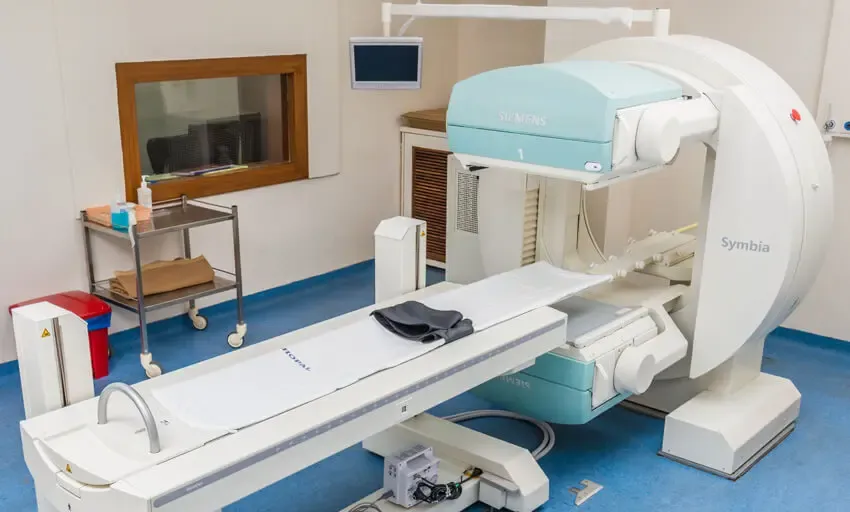
ESWL machines

ESWL machines

Special Facilities

Robotic surgery suite

Robotic surgery suite

Uro-oncology unit

Uro-oncology unit

Pediatric urology center

Pediatric urology center

Stone treatment center

Stone treatment center

Male fertility clinic

Male fertility clinic

Department Gallery

Why Choose Our Department

At White Lotus International Hospital, our expert urologists provide comprehensive care for urinary tract and male reproductive system disorders. We offer advanced diagnostics and treatments for conditions such as kidney stones, urinary incontinence, prostate issues, and cancers. Utilizing minimally invasive techniques including endoscopy and robotic surgery, we ensure effective, less painful procedures with faster recovery. Our personalized care plans and multidisciplinary approach focus on restoring function and improving quality of life. Equipped with modern facilities and compassionate staff, we deliver reliable, patient-centered urology services tailored to your unique health needs.

Frequently Asked Questions

Get answers to common questions about our department
What should I expect during my appointment?
Comprehensive cardiac evaluation with advanced diagnostic tools and personalized treatment plans tailored to your specific heart condition.
How do I prepare for my procedure?

Patients will receive specific pre-operative instructions including fasting guidelines and medication protocols.